

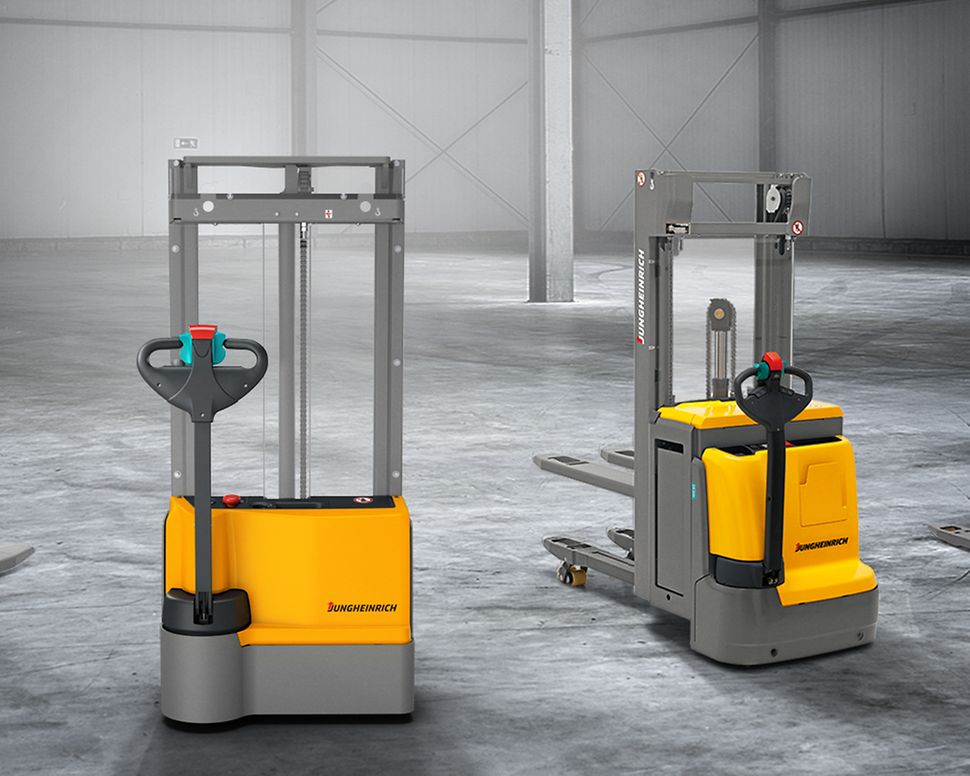
Selecting the right warehouse equipment is a critical decision for businesses that rely on efficient material handling systems. Electric stackers, in particular, play a key role in improving storage efficiency, reducing manual labor, and enhancing workplace safety. However, the performance and reliability of this equipment largely depend on the manufacturer behind it.
Choosing a dependable Electric Stacker Manufacturer ensures that businesses receive durable, safe, and efficient equipment that meets modern industrial demands. Many companies evaluate established providers such as Meenyon, known for producing electric material handling solutions designed for diverse warehouse environments. Reviewing options like Electric Stacker Manufacturer helps businesses better understand what quality standards and features to expect before making a purchase decision.
Table of Contents
ToggleImportance of Choosing the Right Manufacturer
The manufacturer is responsible for the entire lifecycle of an electric stacker, from design and engineering to production and quality testing. This makes their role crucial in determining the performance, safety, and longevity of the equipment.
A reliable manufacturer ensures:
- High-quality production standards
- Consistent product performance
- Compliance with international safety regulations
- Continuous product innovation and improvement
Poor manufacturing practices, on the other hand, can lead to frequent breakdowns, safety risks, and higher long-term operational costs.
Engineering and Design Capabilities
One of the most important factors to evaluate in a manufacturer is their engineering capability. High-quality electric stackers are the result of advanced design, precision engineering, and continuous research and development.
Key aspects to consider include:
- Structural design for stability and load balance
- Efficient electric motor systems for smooth operation
- Advanced hydraulic or lifting mechanisms
- Ergonomic design for operator comfort
Manufacturers with strong engineering teams are more likely to produce reliable and innovative equipment that meets evolving warehouse needs.
Production Quality and Material Standards
The durability of an electric stacker depends heavily on the materials and production processes used during manufacturing. Reputable manufacturers follow strict quality control procedures to ensure consistency and safety.
Important production factors include:
- Use of high-grade steel and reinforced components
- Precision welding and assembly techniques
- Multi-stage inspection processes
- Stress testing under load conditions
These standards help ensure that the equipment can withstand continuous use in demanding warehouse environments.
Safety Compliance and Certification
Safety is a top priority in material handling operations. A trustworthy manufacturer adheres to international safety standards and obtains necessary certifications to guarantee product reliability.
When evaluating a manufacturer, businesses should check for:
- Compliance with ISO or equivalent quality standards
- Built-in safety mechanisms in equipment design
- Certification for electrical and mechanical safety
- Regular testing and validation processes
Certified manufacturers are more likely to deliver equipment that meets global safety expectations.
Innovation and Technology Integration
Modern warehouses require equipment that is not only durable but also technologically advanced. Leading manufacturers invest in innovation to improve efficiency and user experience.
Technological features may include:
- Energy-efficient electric drive systems
- Smart battery management solutions
- Digital control panels for improved usability
- Predictive maintenance capabilities
These innovations help warehouses reduce downtime and improve operational efficiency over time.
After-Sales Support and Service Network
A manufacturer’s responsibility does not end after product delivery. Strong after-sales support is essential for maintaining long-term equipment performance.
Key support services include:
- Technical assistance and troubleshooting
- Spare parts availability
- Maintenance guidelines and training
- Warranty coverage and service agreements
Manufacturers with a strong service network provide better long-term value and reduce operational disruptions.
Customization and Industry-Specific Solutions
Different industries have different material handling requirements. A capable manufacturer should offer customization options to meet specific operational needs.
Customization may involve:
- Adjusted lifting capacity for specialized loads
- Modified fork dimensions for unique pallet types
- Battery configurations for extended usage
- Design adaptations for narrow or high-density storage systems
This flexibility ensures that equipment integrates seamlessly into various warehouse environments.
Conclusion
Choosing the right Electric Stacker Manufacturer is a strategic decision that directly impacts warehouse productivity, safety, and long-term operational costs. Factors such as engineering capability, production quality, safety compliance, innovation, and after-sales support all play an important role in the selection process.
By working with experienced manufacturers like Meenyon, businesses can ensure access to reliable, efficient, and safe material handling equipment designed to meet the demands of modern logistics operations. Careful evaluation before purchasing helps ensure long-term value and operational stability.


